Toddlers Program
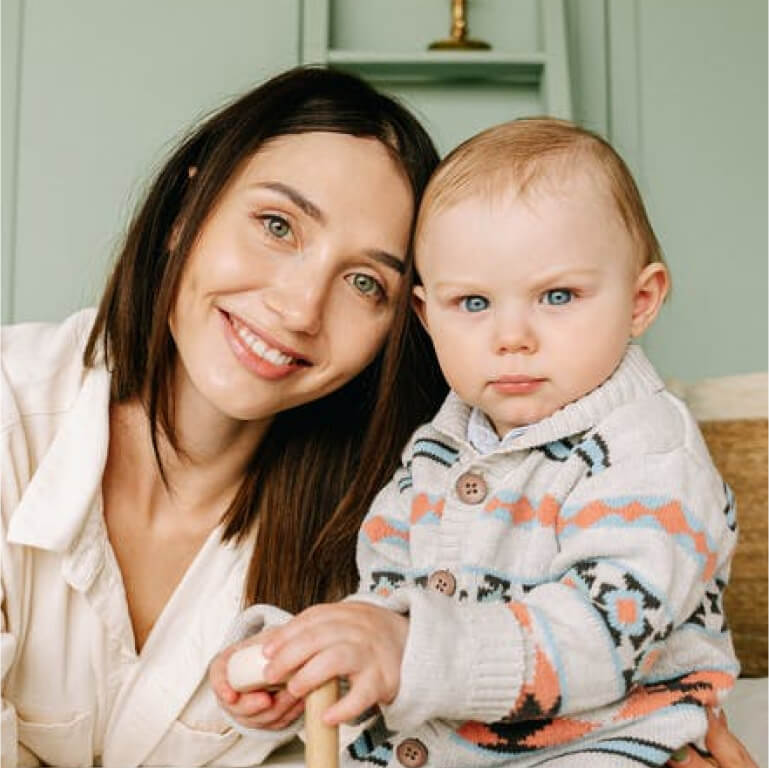
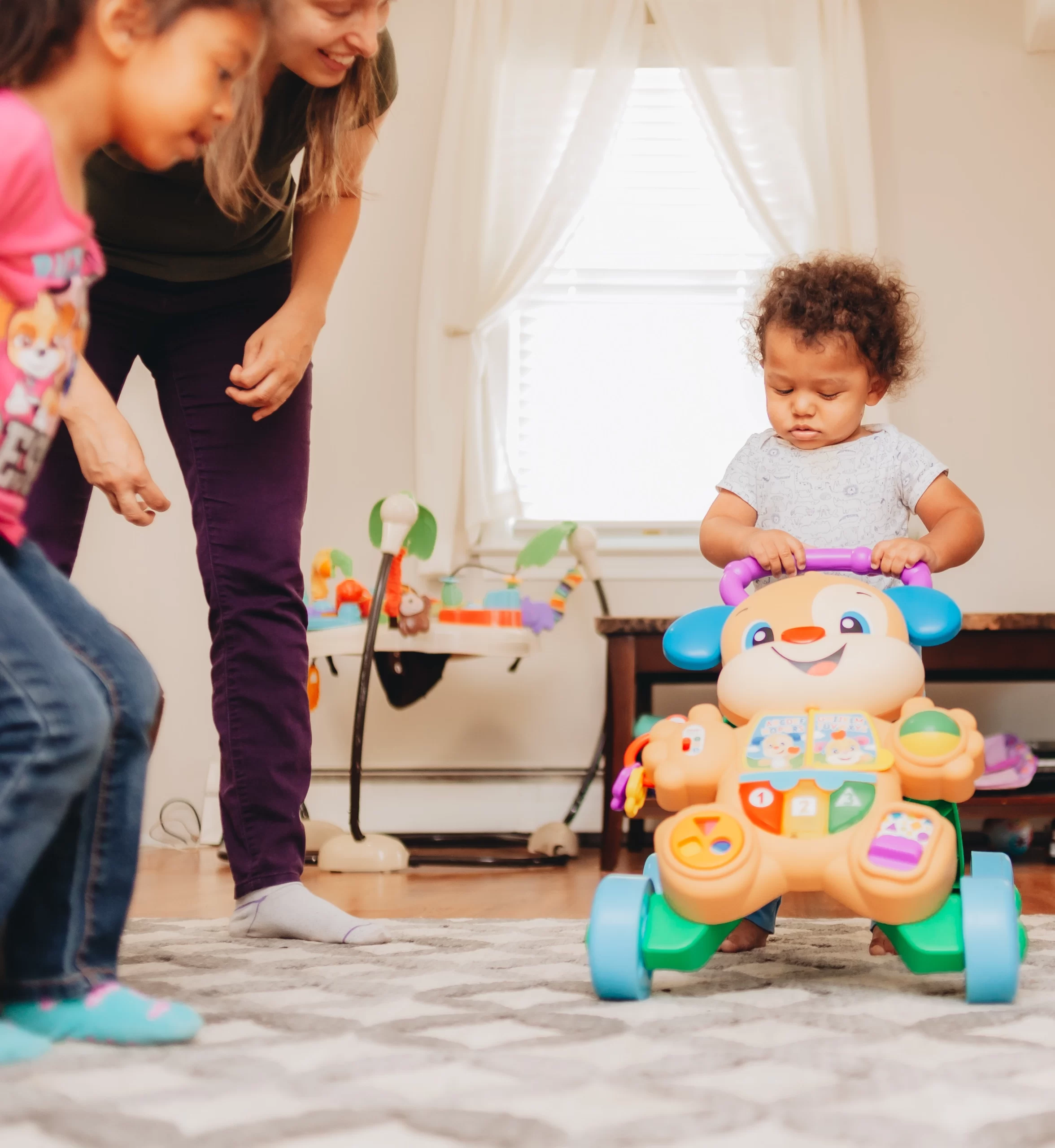
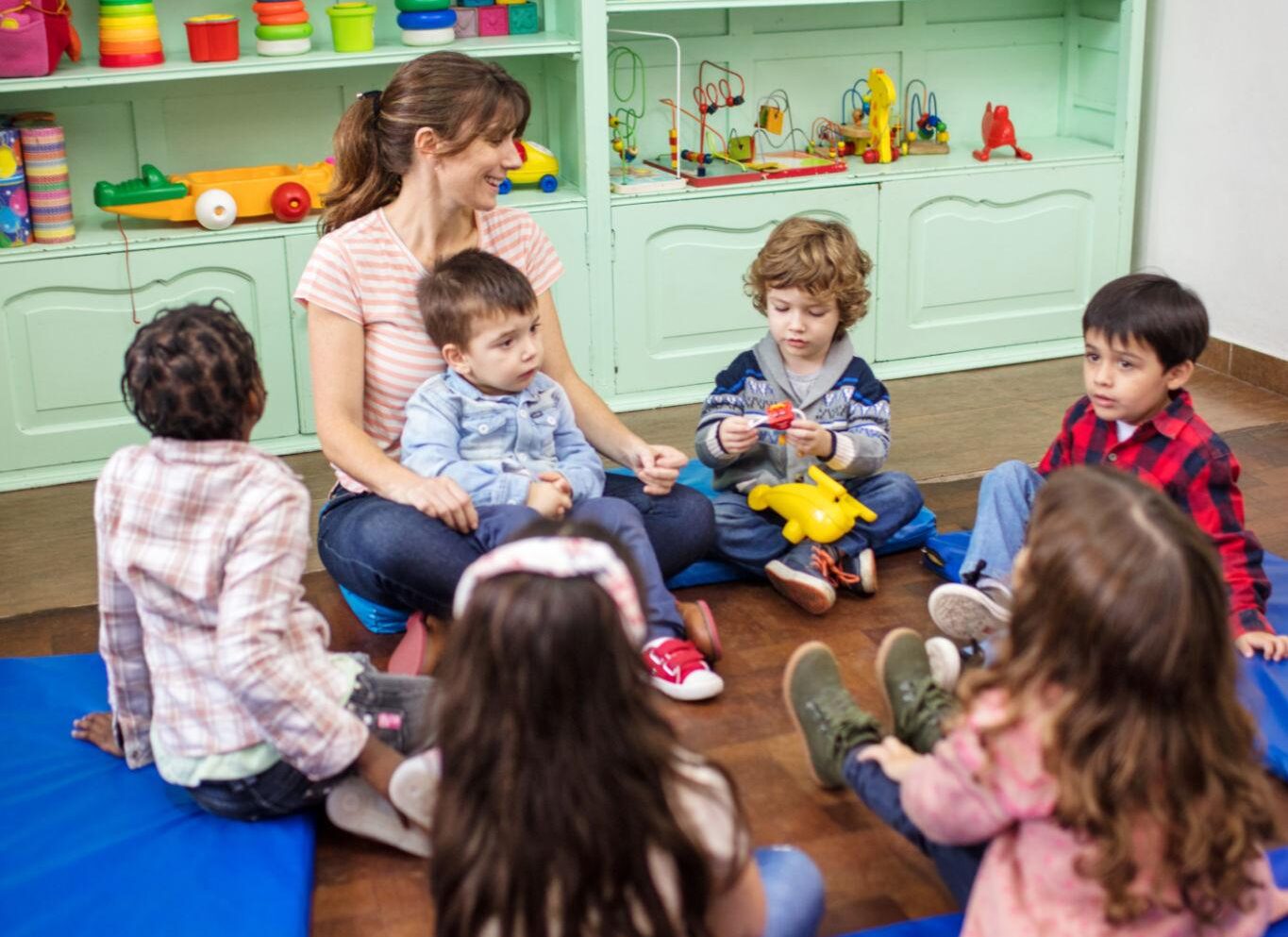
Our Toddlers Program offers a safe, nurturing first step into structured learning, where children explore through sensory play, music, movement, and guided interaction. With a strong focus on emotional security, early communication, motor development, and simple routines, the program helps toddlers build confidence, curiosity, and independence while smoothly transitioning from home to a group learning environment.

Early Learning Goals
Our toddler learning focus is designed to support early development through play, routine, and gentle guidance. Activities encourage sensory exploration, early language exposure, motor skill development, and social interaction, helping children build emotional security, confidence, and curiosity in a safe and nurturing environment.
Our Philosophy for Toddlers
We believe toddlers learn best through safe, joyful, sensory-rich, relationship-driven experiences. The three pillars of our toddler philosophy are:
Secure relationships
Teachers form warm attachments through consistentcaregiving,
responsive interactions, and predictable routines. This is foundational for socio-emotional growth.
Play & exploration
Play is the child’s method of learning. Learning environments
are intentionally resourced for sensory play, early symbolic play, motor development and nascent language. We use open-ended materials (blocks, sand/water tables, loose parts) and repeated, scaffolded experiences to build skills.
ntegrated development
Toddlers progress across multiple domains (communication & language, physical development, personal, social & emotional, early cognition, and creative expression). Our activities are multi-sensory and multi-domain by design. This philosophy reflects both NEP/NCERT priorities for ECCE and international early years frameworks that place play and relationships at the centre.
Curriculum Architecture
Physical Development & Health
Cognition & Early Mathematics
Communication & Language
Creative Expression & Exploratory Science
Personal, Social & Emotional Development
Pedagogy: What teachers do in the toddler room.
● Observe & respond
Use observation to plan next steps (intentional teaching moments), not toover-structure play.
● Scaffold language
Expand children’s utterances (“Child: ‘Ball.’ Teacher: ‘Yes — red ball! Roll the red ball to me.’”).
● Support regulation
each simple strategies to help toddlers with big emotions (calm corners, breathing with an adult, labelled feelings).
● Create invitations to play
Set up provocations that invite open-ended exploration and small successes.
● Partner with parents
Daily handovers, progress notes, and guidedhome-activities that extend learning. These practices reflect EYFS/IB play-centred approachesand evidence that teaching quality (sensitive, responsive interactions) is the single mostimportant predictor of toddler progress.